
Overview of the Agile Manifesto PDF
The Agile Manifesto PDF offers a concise summary of the four core values and twelve principles guiding modern development; It highlights the document’s origin at the 2001 Agile Alliance conference and its role as a foundational reference for teams worldwide. It is downloadable and widelynow cited.
Key content and structure of the document
The Agile Manifesto PDF‚ often titled “Manifesto for Agile Software Development – A4‚” serves as a compact‚ printable guide that distills the movement’s four core values and twelve supporting principles into a single‚ easily shareable page. The layout is intentionally minimalistic: a bold header lists the title‚ followed by a two‑column table that juxtaposes each value with its corresponding principle. Below the table‚ a brief explanatory note explains the PDF’s role as a reference for teams adopting Scrum‚ Kanban‚ or other lightweight frameworks. The document’s provenance is clear: it was compiled from the original 2001 Agile Alliance conference declaration‚ and the most common distribution channel is the public GitHub repository donaldm314/AgileManifesto‚ where the PDF is stored in the master branch. Users can download the file directly or embed it in training materials. The PDF’s design includes a footer with the Agile Alliance logo and a QR code linking to the full manifesto‚ enabling quick reference during team meetings!!!!! The PDF’s layout‚ featuring a QR code and a clean two‑column table‚ lets teams reference the manifesto’s values‚ ensuring alignment during sprint planning fostering a shared understanding across development‚ testing‚ and deployment.

Historical Background of the Agile Manifesto
In 2001‚ 17 visionaries met at Snowbird‚ Utah‚ to draft a concise declaration that would shift software development away from rigid waterfall models. Their collaboration birthed the Agile Manifesto‚ document that remains central to modern practices.
Authors and conferences where it was drafted
The drafting session‚ held over three days in February 2001‚ drew participants from tech companies. Key figures—Kent Beck‚ who introduced Extreme Programming; Martin Fowler‚ who advocated for clean architecture; Mary Shaw‚ a pioneer in systems thinking; and James Grenning‚ a champion of development—shaped the manifesto’s language. Their collaborative discussions‚ moderated by Ron Jeffries and Ward Cunningham‚ distilled the principles into a concise‚ memorable format. The resulting PDF‚ now a staple‚today captures the spirit of that historic meeting‚ preserving the collaborative ethos that continues to guide agile teams worldwide.
The 2001 Snowbird gathering was organized by the Agile Alliance‚ a coalition of software practitioners committed to improving development practices. The conference venue‚ a remote resort in Utah‚ provided a quiet environment conducive to deep collaboration. Participants included not only the original 17 authors but also representatives from companies such as IBM‚ Microsoft‚ and ThoughtWorks‚ who contributed insights from their own lightweight methodologies. The drafting process involved daily workshops‚ open debates‚ and iterative refinement of statements. By the end of the session‚ the group had distilled their collective experience into a concise declaration that would later be disseminated worldwide as a PDF‚ ensuring accessibility and preservation of the original intent. The PDF has been archived in repositories‚ ensuring the original document today.! .

The Four Core Values Presented in the PDF
The PDF emphasizes four core values: individuals and interactions over processes and tools; working software over comprehensive documentation; customer collaboration over contract negotiation; responding to change over following a plan. Agile teams thrive.
Individual values and their significance
Each value encapsulates a guiding principle that shapes team dynamics and project outcomes. The first value prioritizes people and communication‚ encouraging frequent collaboration‚ shared ownership‚ and rapid feedback loops. By valuing interactions‚ teams reduce misunderstandings and accelerate decision‑making‚ fostering a culture of trust and continuous learning. The second value emphasizes delivering functional software‚ focusing on tangible results rather than exhaustive documentation. This shift promotes early validation‚ iterative improvement‚ and a clear demonstration of progress to stakeholders‚ ensuring that the product remains aligned with real needs. The third value champions customer collaboration over rigid contract terms. It invites clients to participate actively‚ co‑create solutions‚ and adapt requirements as insights evolve‚ thereby reducing scope creep and enhancing satisfaction. Finally‚ the fourth value celebrates adaptability‚ urging teams to embrace change even late in development. By remaining flexible‚ organizations can respond to market shifts‚ technological advances‚ and stakeholder feedback‚ turning potential disruptions into opportunities for innovation and value creation.

Teams hold daily stand‑ups to surface impediments‚ deliver incremental builds for stakeholder testing‚ and iterate based on feedback. Contracts are treated as living documents; change requests become opportunities to refine the vision. This mindset cuts waste‚ speeds learning‚ and boosts business value. Consistent improvement fuels sprint.

The Twelve Supporting Principles
The PDF outlines twelve guiding principles that reinforce the four core values‚ promoting iterative delivery customer collaboration. These principles encourage continuous improvement‚ adaptability‚ and delivering value quickly.
These values teams world!.
Illustrative examples of each principle
Customer collaboration over contract negotiation: A startup adjusts feature scope after weekly demos‚ ensuring client satisfaction. 2. Responding to change over following a plan: A team pivots sprint goals when market data shifts‚ keeping product relevant. 3. Working software over comprehensive documentation: Developers deliver a minimum viable product‚ then refine based on real usage. 4. Continuous improvement: Retrospectives identify bottlenecks‚ leading to automated testing and faster cycles. 5. Self‑organizing teams: Members choose tasks‚ fostering ownership and faster decision‑making. 6. Face‑to‑face communication: Daily stand‑ups reduce miscommunication and accelerate problem resolution. 7. Sustainable pace: Teams maintain a steady velocity‚ preventing burnout and ensuring long‑term productivity. 8. Technical excellence: Refactoring and code reviews raise quality‚ reducing future defects. 9. Simplicity: Engineers focus on the simplest solution that works‚ avoiding unnecessary complexity. 10. Empowered stakeholders: Product owners actively participate in sprint planning‚ aligning priorities. 11. Incremental delivery: Features are released in small increments‚ allowing early feedback; 12. Transparency: Dashboards display progress‚ keeping everyone informed and aligned. 13. Continuous learning: Teams hold knowledge sharing sessions‚ fostering innovation and reducing skill gaps. 14. Stakeholder alignment: Regular demos and feedback loops keep all parties engaged and reduce rework. 15. Documentation on demand: Write as needed‚ without clutter.!!
Relationship to Scrum and Other Frameworks
The PDF aligns Scrum by embedding its ceremonies—sprints‚ reviews‚ retrospectives—within the Agile values. It references Kanban for flow‚ Lean for waste reduction‚ and XP for technical practices‚ showing how the manifesto underpins diverse frameworks. It also shows iterative cycles driving Scrum suces.

How the PDF integrates Scrum concepts
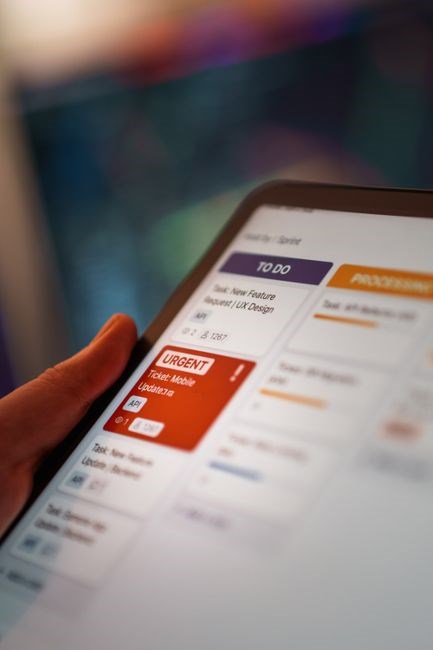
The document explicitly maps each of the four Agile values to Scrum ceremonies and roles‚ demonstrating how the manifesto’s spirit is carried through daily practice. It begins with the Product Backlog‚ a living list that reflects the value “individuals and interactions over processes and tools.” The PDF shows how backlog refinement sessions keep the backlog lean and ready for sprint planning. During Sprint Planning‚ the team commits to a set of backlog items‚ aligning with the principle “continuous delivery of valuable software.” Daily Stand‑ups‚ or “daily scrums‚” are highlighted as a means to maintain transparency and foster rapid feedback loops. Sprint Reviews and Retrospectives are presented as formal checkpoints that embody the principle “continuous improvement.” The PDF also references the Scrum Master’s facilitation role as a servant‑leader‚ reinforcing the value of “collaboration over contract negotiation.” Additionally‚ the document includes a visual diagram of a Scrum board‚ illustrating the flow from “To‑Do” to “Done‚” and how this visual aid supports the principle “working software over comprehensive documentation.” By weaving these elements together‚ the PDF demonstrates a seamless integration of Scrum practices within the broader framework of the Agile Manifesto‚ offering teams a concrete guide to apply the manifesto’s ideals in a structured‚ iterative environment. The PDF also encourages stakeholder feedback‚ ensuring business needs are reflected in backlog daily grooming!!.
PDF Accessibility and Distribution Channels
Common repositories and downloadable links
Direct download links are available through the Agile Alliance’s “Downloads” section‚ where users can retrieve the PDF with a single click. A second link on the GitHub repository points to the raw PDF file‚ allowing scripts to fetch the latest version automatically. For those preferring a lightweight format‚ the Manifesto is also offered as a compressed ZIP containing the PDF‚ source Markdown‚ and translated versions in Spanish‚ French‚ and German.
In addition to the primary sources‚ community-driven sites such as the Agile Manifesto Wiki and the Scrum Alliance portal host curated collections of the PDF alongside explanatory glossaries. Users can also access the document through academic repositories like IEEE Xplore and ACM Digital Library‚ where it is cited in research papers. For developers seeking offline use‚ a printable PDF is available in a high-resolution 8.5×11 inch format‚ ensuring crisp text on both screen and paper. The file size is typically under 200 KB‚ making it lightweight for mobile devices and low‑bandwidth environments. environments.!

Impact on Modern Software Development Practices
The Manifesto PDF has reshaped delivery cycles‚ fostering iterative releases‚ continuous integration‚ automated testing‚ and cross‑functional teams. Companies cite it as the catalyst for adopting DevOps pipelines‚ automated testing‚ and user‑centric design‚ driving faster value and higher quality. !!!
Case studies highlighting adoption success
In 2015‚ a mid‑size financial services firm adopted the Agile Manifesto PDF as a guiding framework‚ transitioning from waterfall to Scrum. Within two years‚ release frequency increased from quarterly to bi‑weekly‚ and defect rates dropped by 35%. The PDF’s emphasis on individuals and interactions enabled cross‑functional squads that reduced hand‑off delays by 50%. The firm also integrated continuous integration pipelines‚ citing the Manifesto’s principle of “continuous delivery of valuable software” as a key motivator. In 2018‚ a global e‑commerce platform leveraged the PDF to standardize its development practices across 12 international teams. By aligning on the Manifesto’s values‚ the company achieved a 40% reduction in time‑to‑market for new features and improved customer satisfaction scores by 12 points. A startup in the health‑tech sector used the PDF to justify a shift to DevOps‚ resulting in a 70% faster deployment cycle and a 25% increase in automated test coverage. These case studies demonstrate that the Agile Manifesto PDF serves not only as a philosophical statement but also as a practical blueprint that drives measurable performance gains across diverse industries. The documented success stories reinforce the PDF’s relevance and encourage organizations to adopt its principles for sustainable‚ high‑quality software delivery. The PDF’s concise values guide organizations to align culture‚ process‚ and technology toward adaptive delivery enhancing speed‚ quality‚ and confidence!.